Proper treatment of sunburned skin is essential for faster recovery and minimizing damage.
Redness, stinging, or a burning sensation after prolonged sun exposure are signs that the skin is damaged.
Summer's intense sunlight can make skin sensitive and even cause burns if not properly protected. Redness, stinging, or a burning sensation after prolonged sun exposure are signs that the skin is damaged.
Distinguishing between tan and sunburn
After sun exposure, skin typically exhibits two common reactions: tanning or redness and burning. Tanning is a natural reaction where the body increases melanin production to protect the skin from UV damage, causing the skin to darken. Sunburn, on the other hand, is an acute inflammatory reaction, manifested by redness, heat, and even pain upon touch.
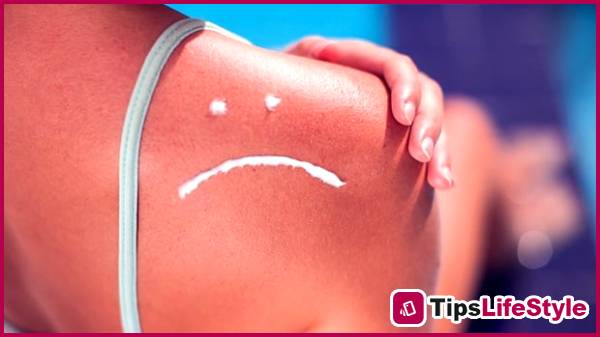 Prompt and proper treatment will help reduce inflammation, promote faster skin recovery, and minimize long-term effects.
Although the symptoms differ, both indicate that the skin has been negatively affected by sunlight. When ultraviolet rays penetrate deep into the cells, the skin's structure is damaged, thereby triggering an inflammatory response. Therefore, protecting and restoring the skin after sun exposure is essential for maintaining healthy skin in the long term.
Soothe and cool the skin immediately.
As soon as a burning sensation occurs, the first thing to do is reduce the temperature of the affected area. Cool temperatures help soothe discomfort and reduce inflammation. You can use a cool towel or cold compress wrapped in a soft cloth, applying it gently to the skin for a short time to avoid further irritation.
In addition, showering with cool water helps cleanse the skin, removing dirt, salt, or chlorine residue left after exposure to the outside environment. However, you should limit your shower time and avoid scrubbing vigorously to prevent drying out or further damaging your skin.
Limit sun exposure during the recovery period.
When skin is sensitive, continued sun exposure can worsen damage. In this case, it's best to limit outdoor exposure during peak sunlight hours and prioritize staying in shady environments.
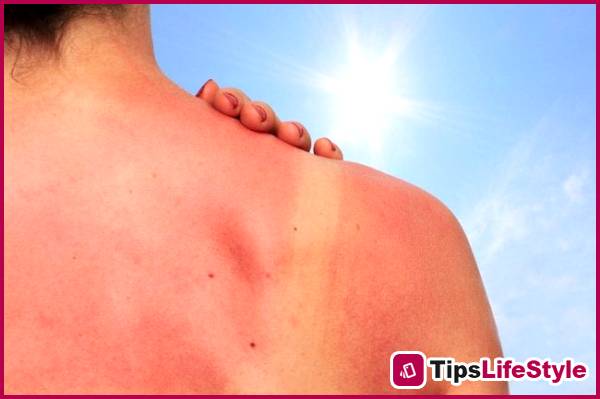 When skin is already sensitive, continued sun exposure can worsen the damage.
If you need to go outdoors, take protective measures such as wearing long-sleeved shirts, wide-brimmed hats, and sunglasses. Also, choose a gentle sunscreen suitable for sensitive skin to avoid irritation during the recovery process.
Replenish moisture from within the body.
Sunburned skin is often dehydrated, so moisturizing from within is crucial. Drinking enough water helps the body maintain balance and supports the skin's natural recovery process.
In addition to water, you can supplement your diet with water-rich foods such as watermelon, cucumber, or fresh fruit. These sources of nutrients not only provide hydration but also supply vitamins, helping your skin quickly regain its softness and freshness.
Intensify moisturizing to restore the skin's protective barrier.
After sunburn, the skin's protective barrier is often weakened, making it more prone to dehydration and increased sensitivity. Using appropriate moisturizing products will help strengthen this barrier, while also reducing dryness, tightness, and discomfort.
Ingredients with moisturizing and restorative properties such as ceramides, glycerin, or hyaluronic acid are often preferred during this phase. Additionally, products that lock in moisture can help soothe the skin, but they need to be used at the right time to avoid clogging pores while the skin is still highly sensitive.
Treating sunburned skin involves more than just immediate relief; it requires ongoing care for complete recovery. By combining the right steps—cooling, protecting, moisturizing, and nourishing—the skin will quickly return to its balance, minimizing the risk of long-term sun damage.