Minimalist skincare: How to sustainably restore sensitive, easily irritated skin.
A minimalist routine, focusing on essential needs, is becoming an effective approach, helping skin gradually stabilize and become healthier over time.
Understanding your skin is key to proper minimalism.
She focuses on essential needs such as restoring the skin barrier, hydrating, and soothing. Instead of chasing trends, she eliminates unnecessary products and keeps the basics. When skin is weakened, using too many strong active ingredients can worsen the condition, so simplifying the skincare routine is essential.
 Focus on essential needs such as restoring the protective barrier, moisturizing, and soothing.
A basic but effective skincare routine.
My daily routine is kept minimalist with familiar steps: toner, eye cream, serum, and moisturizer in the evening; sunscreen is added in the morning. The key isn't the number of steps, but the suitability of the products for my skin condition, prioritizing gentle, mild formulas to minimize irritation.
This toner focuses on moisturizing and soothing.
In the skin balancing step, the top priority is basic hydration rather than complex functions. Large-volume, reasonably priced toners or facial mists are preferred for regular use. Soothing ingredients like centella asiatica or houttuynia cordata help support skin recovery without stressing sensitive skin. Following this approach, a toner only needs to effectively hydrate and balance the skin.
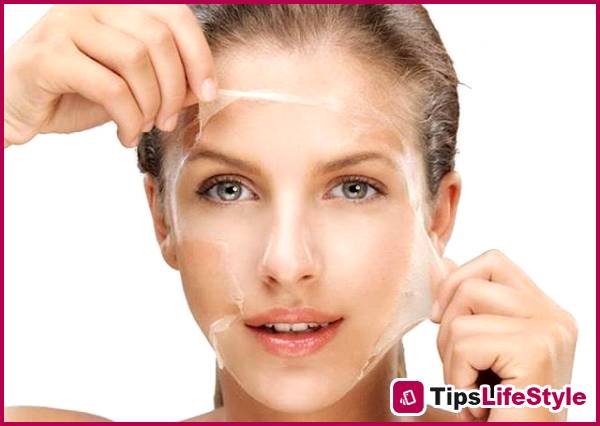 Large-sized, reasonably priced toners or facial mists are preferred for regular use.
Eye cream maintains the softness of the sensitive skin around the eyes.
Even though it's a small step, regular use of eye cream helps maintain moisture and minimize early signs of aging around the eye area. The effects aren't immediate, but long-term use improves skin smoothness and reduces fine lines, especially as skin begins to show signs of decreased elasticity.
Serum can be used flexibly depending on skin condition.
Serum is considered an important step, but it requires careful control. Instead of using many types at once, the approach is to choose a product that suits the skin's current needs. Hydrating, restorative, or anti-aging serums are used alternately to avoid overloading the skin with active ingredients. In particular, combining oils using the "water-oil-water" method helps increase moisturizing effectiveness and improves dull, lifeless skin.
Moisturizing cream helps lock in moisture and repair
In the final step, moisturizer plays a crucial role in locking in moisture and strengthening the skin's protective barrier. Products with a medium texture—not too thick but still capable of retaining moisture—are preferred. Important criteria include gentleness and soothing properties, helping the skin maintain a stable state without feeling congested.
Cleansing and masking in a minimalist style.
Cleansing remains an essential step, but it should be done gently to avoid damaging the skin. A mild, non-drying cleanser is preferred, and on days with minimal exposure to dirt, washing with water is also used to reduce the impact on the skin. Face masks are no longer mandatory, only used infrequently to help hydrate or repair when needed, rather than expecting immediate results.
Eliminate habits that harm your skin.
One of the reasons skin becomes sensitive is the overuse of deep cleansing or exfoliating devices. Limiting harsh treatments allows the skin's protective barrier time to naturally recover, thereby improving irritation and persistent acne.