6 mistakes when using retinol that can cause your skin to deteriorate faster than you think.
6 common mistakes when using retinol that can cause skin irritation, peeling, and weakening. Learn how to use it correctly for safe and effective skin improvement.
Retinol is good, but it's not easy to use: Understanding it correctly to avoid adverse effects.
Retinol is known for its ability to improve acne, reduce wrinkles, and support skin regeneration. However, it is also an active ingredient that can easily cause irritation if used incorrectly. Many people experience weakened skin, redness, burning, or peeling after only a short period of use.
The cause isn't the product, but rather seemingly harmless habits in your daily skincare routine.
Start with excessively high concentrations.
Many people choose high-concentration retinol right from the start, expecting quick results. In reality, the skin needs time to adapt to this active ingredient. Rushing the process can easily lead to skin irritation, breakouts, or prolonged peeling.
Starting with a low concentration and gradually increasing it is a safe approach, allowing the skin to adapt better and maintain long-lasting results.
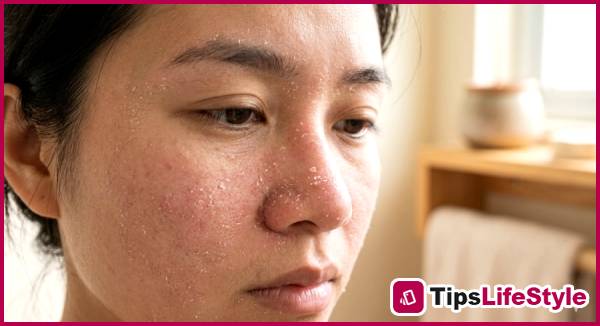 Irritation is a common reaction when retinol is used incorrectly.
Using it too frequently before your skin has had time to adapt.
Retinol isn't a product where the more you use it, the better. For beginners, using it continuously every day can easily overload the skin, leading to dryness, tightness, and irritation.
The ideal initial frequency is usually 1–2 times per week. Once your skin is accustomed to it, you can gradually increase the frequency to achieve optimal results while ensuring safety.
Applying too much product but lacking in moisture.
A common mistake is using too much retinol without paying attention to moisturizing. This causes the skin to easily lose moisture, becoming dry, rough, and more sensitive.
A small amount of retinol is sufficient for the entire face. More importantly, combine it with a restorative moisturizer to help the skin retain moisture and strengthen its natural protective barrier.
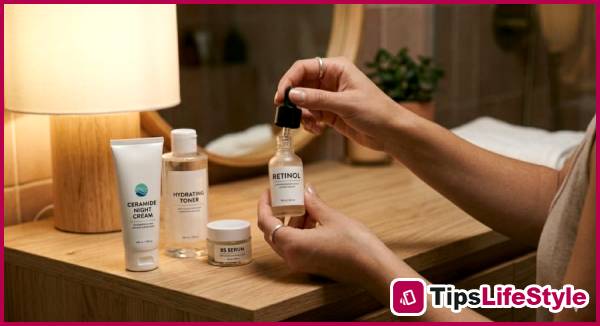 Proper moisturizing helps reduce irritation and increase the effectiveness of retinol.
Apply retinol while your skin is still damp.
Applying products to damp skin can help increase absorption, but with retinol, this carries a higher risk of irritation.
When skin is damp, active ingredients penetrate faster and deeper, potentially overwhelming the skin. Waiting for the skin to dry completely before use is a small but crucial step to reduce risk.
Skip the step of testing the product before use.
Not all skin types react the same way to retinol. Skipping a patch test can lead to widespread irritation.
Simply testing on a small area of ??skin for 24–48 hours will allow you to assess the product's suitability. This is a simple but worthwhile step.
Use retinol when your skin is weak or irritated.
Retinol is not suitable for damaged skin, severe acne, or irritation. Continued use during this period may worsen the condition.
Prioritizing skin recovery first, and then considering reusing retinol at an appropriate frequency and concentration, is a safer option.