Oily skin in summer: Understanding the correct mechanisms and effective ways to control it to keep pores clear.
Once you understand the reasons why your skin produces more oil, improving the appearance of large pores and preventing acne will become easier and more sustainable.
Under the influence of high temperatures, the sebaceous glands become more active to protect the skin from dehydration. This is a natural reaction of the body, but it can easily lead to persistently oily skin. In addition, UV rays from sunlight directly affect the skin's structure by breaking down collagen and elastin – two components that support the pores. When this structure weakens, pores are more likely to enlarge and accumulate excess oil.
Another often overlooked factor is dehydration. When skin lacks moisture, especially from prolonged exposure to air conditioning, the body misinterprets this and stimulates the oil glands to work harder to compensate. This creates a vicious cycle: the more dehydrated the skin becomes, the more oil it produces, resulting in a shiny surface but a dry interior.
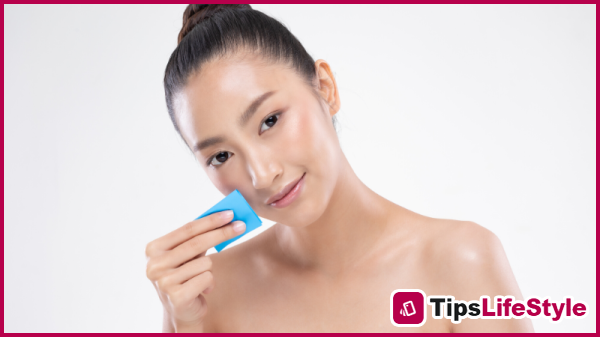 Under the influence of high temperatures, the sebaceous glands become more active in order to protect the skin from dehydration.
Proper cleaning – the foundation of oil control.
To effectively reduce oiliness, the first step is proper cleansing without damaging the skin's protective barrier. A double cleansing method using an oil or cleansing balm combined with a gentle facial cleanser helps remove dirt, sunscreen, and sebum that accumulates deep within the pores.
An important technique is to massage the skin for about 60 seconds to allow the active ingredients enough time to take effect. Thorough but gentle cleansing will help keep the skin clear without drying it out. In addition, regular exfoliation with suitable active ingredients also supports deep cleansing, reducing blockage – the main cause of acne and enlarged pores.
Maintain moisture balance to reduce oil production.
Many people believe oily skin doesn't need moisturizing, but this is a common misconception. When adequately hydrated, the skin will regulate its oil production, thereby reducing shine. Products with a lightweight texture, such as gels or lotions, are suitable choices in hot weather.
In addition, ingredients like niacinamide can regulate sebum production, help minimize pores, and strengthen the skin's protective barrier. Using these nutrients correctly not only helps control oil but also improves skin texture over time.
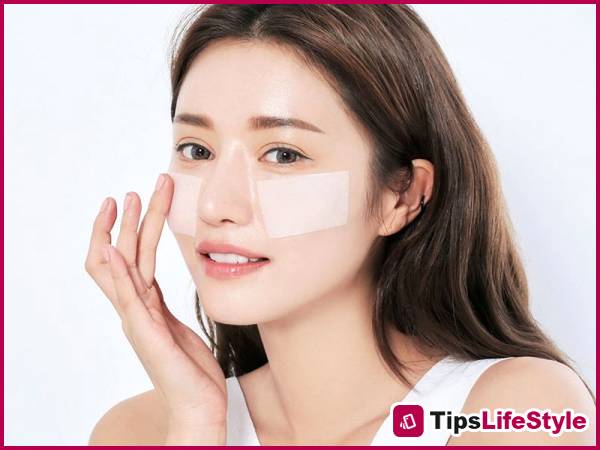 When the skin is adequately hydrated, it will regulate its oil production, thereby reducing shine.
Small habits that make a big difference.
Besides cosmetics, daily lifestyle factors also significantly affect skin condition. Using water that is too hot when washing your face can strip the skin of its natural moisture, thereby stimulating increased oil production. Therefore, lukewarm water is always the optimal choice.
The material of the pillowcase is also an important factor to consider. Soft, low-friction fabrics help minimize irritation and reduce the risk of bacterial buildup. In situations requiring quick oil removal, gentle blotting papers are preferable to avoid stripping the skin of its natural moisture.
Oil control is a process that requires balance.
Controlling oil production shouldn't just focus on cleansing; it requires a combination of factors: proper cleansing, adequate moisturizing, and maintaining healthy lifestyle habits. When the skin's oil and water balance is restored, oiliness will significantly decrease, and pores will appear smaller.
Summer skincare isn't just about improving your appearance; it's also about protecting your skin from long-term environmental damage. With the right methods, your skin will stay clear, healthy, and less prone to problems, even in harsh weather conditions.