Mumumelon - a sustainable fashion campaign putting pressure on Lululemon in London.
Mumumelon is a project that puts pressure on Lululemon regarding sustainability. Let's explore how they copied the design to protect the environment.
A fake pop-up store in London is causing a stir in the fashion world by openly copying Lululemon's designs, but with a far from ordinary goal: to pressure the brand to cut its emissions faster.
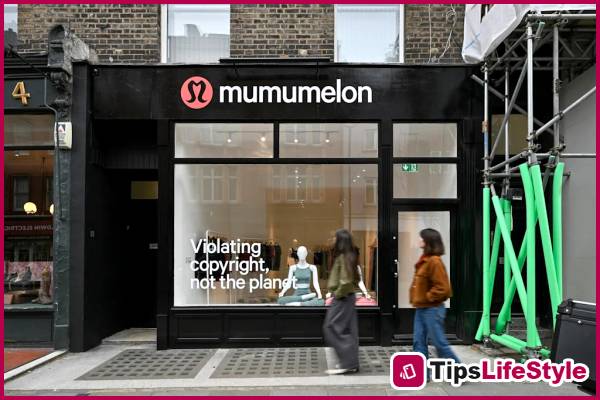
The pop-up store was set up not for the purpose of selling Mumumelon products (Photo: Action Speaks Louder).
A plagiarism committed with a very humane purpose.
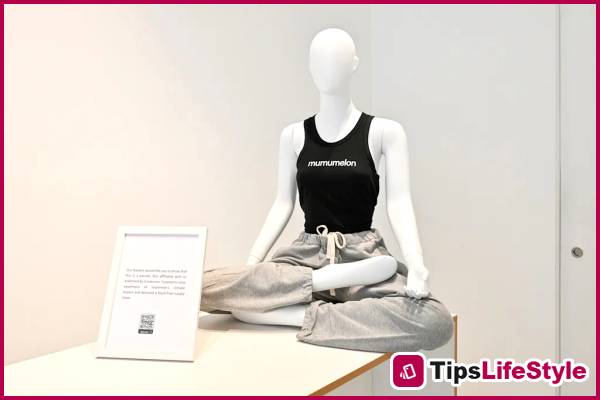
"Same soulless vibe, but less fossil fuel" - that's how the Mumumelon project describes itself on its website. This project creates near-identical replicas of Lululemon's flagship products, such as hoodies and yoga pants, but produced using renewable energy and accompanied by a specific emissions reduction plan.
At the pop-up store set up in London at the end of March, an employee didn't hesitate to tell customers directly: "We took Lululemon's design and made it less harmful to the environment."
Behind this campaign is the climate advocacy organization Action Speaks Louder. According to Ruth MacGilp, a representative of the organization, they have been pressuring Lululemon for years to invest in renewable energy and remove fossil fuels from its supply chain. However, this time they chose a more innovative approach instead of just making appeals as before. For its part, Lululemon said it was "disappointed" with the organization's approach.
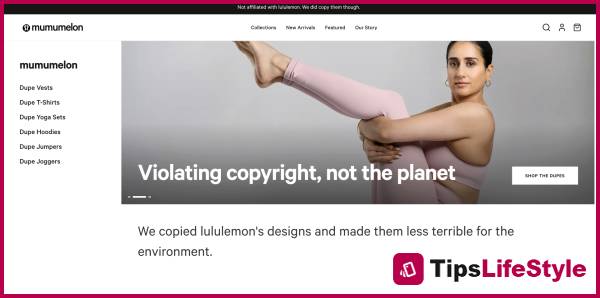
Mumumelon's official website clearly states the campaign's objectives (Screenshot).
The emissions problem: It's not just about electricity.
According to the campaign's analysis, like many other fashion brands, Lululemon's emissions are still increasing. Although the company has committed to switching to renewable energy in its factories, partly due to pressure from environmental organizations, progress remains slow. As of the 2024 report, the company is still not on track to achieve its goal of 25% renewable energy by fiscal year 2025.
More importantly, electricity is only part of the problem. The majority of actual emissions come from the heat used in manufacturing processes, such as operating coal-fired boilers to generate hot water and steam. This is a common practice in the fashion industry, where burning fossil fuels still accounts for a significant proportion.
The proposed solution is to electrify these processes using technologies such as heat pumps or electric boilers. Although these technologies are already available on the market, they have not yet been widely adopted due to a lack of large-scale industry adoption.
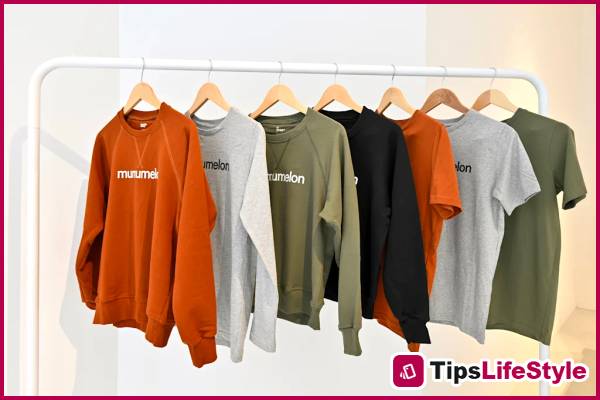
The campaign leverages community influence.
With revenues reaching $11 billion (nearly 290 trillion VND) last year, Action Speaks Louder believes Lululemon has ample resources to accelerate its transformation. This is especially true given the brand's commitment to sustainability – a key concern for its core customer base.
The Mumumelon campaign therefore went beyond mere "mocking," aiming to create pressure from the community. Yoga influencers began tagging Lululemon on social media, expressing their disappointment with the brand's current progress.
MacGilp said this approach could prioritize the issue more effectively than if only non-profit organizations spoke out. She also revealed that she had a direct meeting with the company after the campaign was launched.
What did Lululemon say?
In its official response, Lululemon affirmed that it is still making significant progress toward its sustainability goals. The company stated that it has reduced emissions by 60% at its owned and operated facilities.
However, the brand also acknowledges that much of the environmental impact comes from its extensive supply chain. Therefore, they are investing in solutions such as using recycled materials (nylon, polyester) and promoting a circular economy model in production.
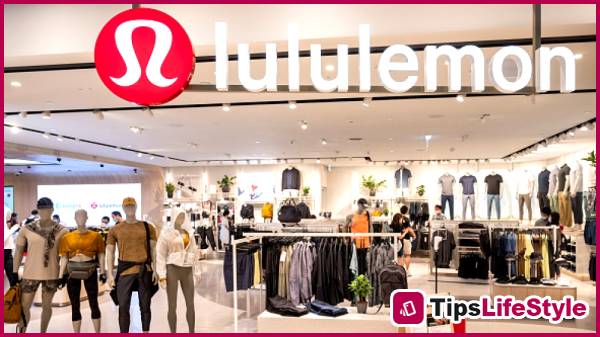
Lululemon is facing numerous serious allegations, most recently an investigation into the use of a carcinogenic, long-lasting chemical (Getty Images).
When sustainable fashion needs a new way of storytelling.
The Mumumelon campaign was created by the creative agency Serious People, with the goal of transforming a dry topic into more shareable content.
According to Oli Frost, the person behind the idea, it's difficult for content like "this brand is harming the environment" to be widely shared. But a satirical story like Mumumelon is more likely to grab attention and spread.
Interestingly, many people actually wanted to buy these products after learning they were produced in a more eco-friendly way. However, for legal reasons, the entire product line is not permitted to be sold on the market.
Although primarily a symbolic project, Mumumelon clearly demonstrates one thing: in today's era, to drive change, sustainable fashion requires not only technical solutions but also creativity in conveying its message.
According to Fast Company