Comparing Lululemon and Alo Yoga 2026: Which is the more durable workout apparel brand?
Discover the differences between Lululemon and Alo Yoga. Learn about product quality and customer service reviews in 2026.
When it comes to gym wear, yoga wear, or simply everyday clothing that's both comfortable and photogenic, Lululemon and Alo Yoga always spark heated debates among women (and men) on Reddit, TikTok, and shopping groups. One is praised for its "tank-like durability," while the other is a sensation thanks to its chic, trendy designs that make every Instagram story look stunning. In 2026, with both brands facing criticism regarding quality and customer service, the biggest question for consumers worldwide is: where should you spend your money for something truly worthwhile?
Although both are workout apparel brands, their directions and strategies are different.
Lululemon was founded in 1998 in Vancouver, Canada, by Chip Wilson. Starting as a small yoga shop specializing in women's leggings, they quickly became a major NASDAQ-listed company with annual revenues exceeding $10 billion. The brand is considered a pioneer in transforming athleisure into an everyday fashion trend.
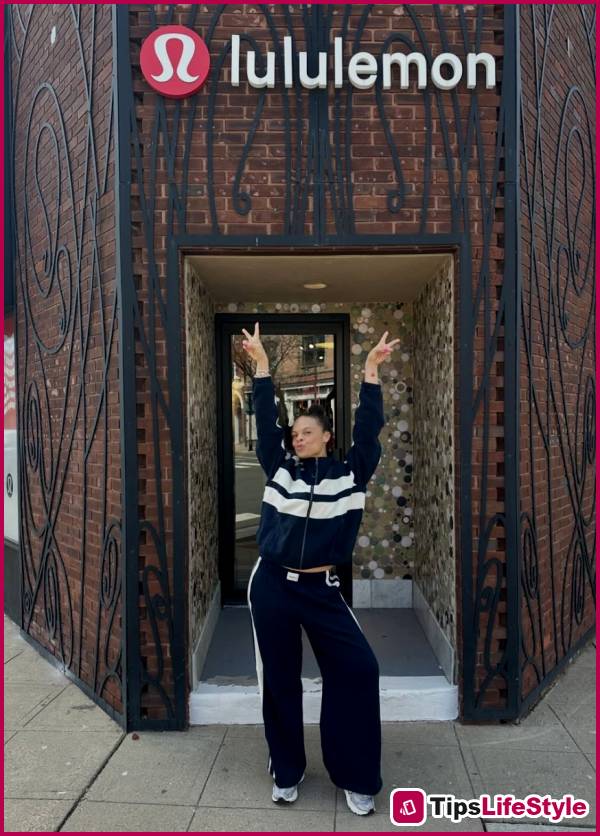
Photo: Instagram.
Alo Yoga, with its youthful vibe, was founded in 2007 in Los Angeles by Danny Harris and Marco DeGeorge. The name 'Alo' is inspired by Air-Land-Ocean, emphasizing a lifestyle in balance with nature. Thanks to the power of influencers and celebrities like Taylor Swift, Hailey Bieber, and Kendall Jenner, and explosive TikTok campaigns, Alo Yoga quickly captured the hearts of Gen Z, transforming workout gear into a coveted fashion item.

Photo: Alo Yoga
The biggest difference lies in their core philosophy. Lululemon takes a pragmatic approach: clothing must do its job best – supporting high-intensity workouts, being breathable, and durable over time. Their main customers are serious gym-goers, runners, or yoga enthusiasts who prioritize practical comfort and functionality. Conversely, Alo Yoga takes a more fashion-oriented path: visual appeal comes first, followed by functionality. They want you to look stunning in your workout clothes, from the gym to the coffee shop, from photoshoots to strolls down the street, with eye-catching matching sets that can also be used as streetwear.

A Lululemon campaign featuring Michelle Yeoh. Photo: Lululemon

Jisoo participated in Alo Yoga's campaign. Photo: X
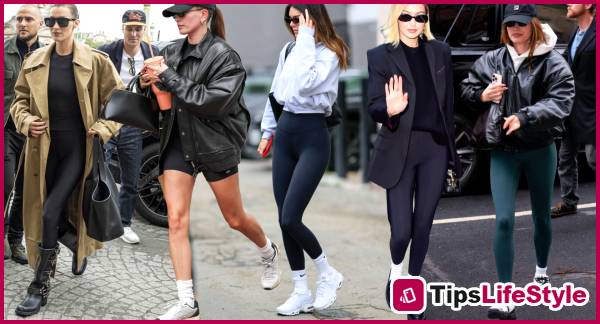
Not only in the brand's official campaign, Alo Yoga is also worn by many famous IT girls when strolling around the city. Photo: Marie Claire
When it comes to specific products, Lululemon still holds an advantage in classic items. The famous Align leggings are as soft as butter thanks to their Nulu material, comfortable to wear all day without itching, resistant to pilling, and maintain their shape exceptionally well. The Wunder Train and Fast & Free lines are also praised for their superior sweat-wicking, ability to withstand vigorous movement, and breathability.

Lululemon is praised for the quality of its products, especially the Align line. Photo: Lululemon
Alo Yoga excels in its figure-flattering and aesthetic appeal. The Airlift and Airbrush lines offer a close fit, strong compression, a smooth, glossy surface, trendy colors, and eye-catching outfits that make you want to buy them all. Many women share that wearing Alo makes them look more "shapely," "elegant," and confident, especially for those who enjoy gentle Pilates or relaxing yoga. However, if worn for intense workouts or frequently, Alo's drawbacks become apparent: the fabric thins, pilling appears sooner, and the shape doesn't last as long as Lululemon.

Alo Yoga is praised for its branding and the practicality of its clothing. Photo: Pagesix
In terms of price, the two high-end brands are quite similar. On average, each Lululemon product ranges from $98-128 (2.6 - 3.5 million VND), while Alo Yoga products are priced at around $88-110 (2.3 - 2.8 million VND). However, when considering practical value, many long-time users assert that Lululemon is still more "worth the money" due to the durability of its materials. Alo Yoga is facing a series of comments that it's a "trend that fades quickly," much like fast fashion, bought for aesthetics rather than for long-term investment.
What was the customer feedback like?
This is the part that many people are most interested in: actual customer reviews worldwide in 2026. According to the latest data from Trustpilot in April 2026, Lululemon is rated 1.6/5 with over 1,409 reviews, while Alo Yoga is lower at 1.4/5 with around 1,173 reviews. Neither is in its prime anymore, and much of the criticism focuses on declining quality and poor customer service. But a deeper analysis reveals quite different pictures between the two.
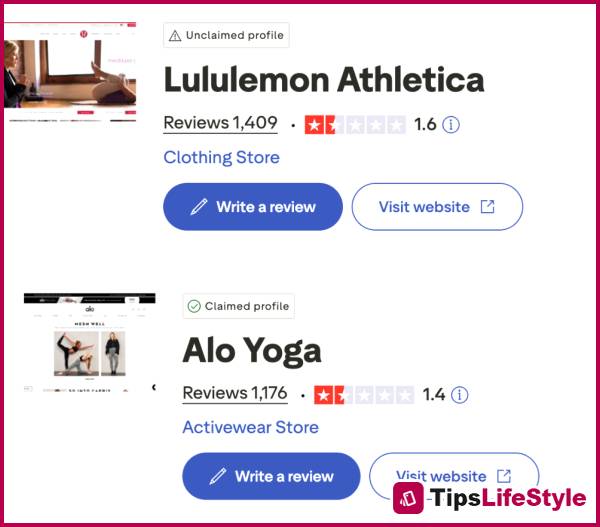
Both brands received rather poor ratings on Trustpilot.
Furthermore, according to Comparably, Lululemon's NPS (Net Promoter Score) – a measure of customer loyalty and satisfaction based on their willingness to recommend a company's products/services to others – is significantly higher than its competitor, Alo Yoga. Specifically, the Canadian fitness apparel brand received a score of 41, while Alo Yoga only managed 11.
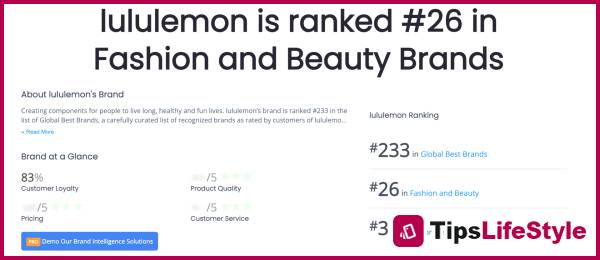
The page also states that Lululemon boasts an 83% customer base of loyal customers who will return to purchase more after experiencing the products. Furthermore, the brand is ranked 26th among all fashion and beauty brands on Comparably.
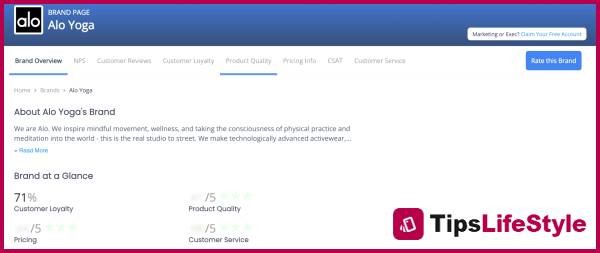
Compared to its competitor Lululemon, Alo Yoga's scores appear significantly lower. The American brand only garnered 71% customer loyalty and didn't even make it onto the industry-wide ranking list.
With Lululemon, loyal fans still praise the "magical" Align fabric: soft, colorfast, and maintains its shape well after many years if washed correctly (cold water, inside out, avoid the dryer). Many customers who used it from 2014-2020 share that their Lululemon clothes still look good and are comfortable after hundreds of washes. However, there are also many complaints about the quality of some newer batches clearly declining. Users complain that the leggings are thinner, easily pill after a few washes, and the pockets stretch out quickly after only 3-4 weeks of use. Customer service is also a major drawback: slow shipping, difficult to contact, and refunds are mainly in the form of vouchers instead of cash.
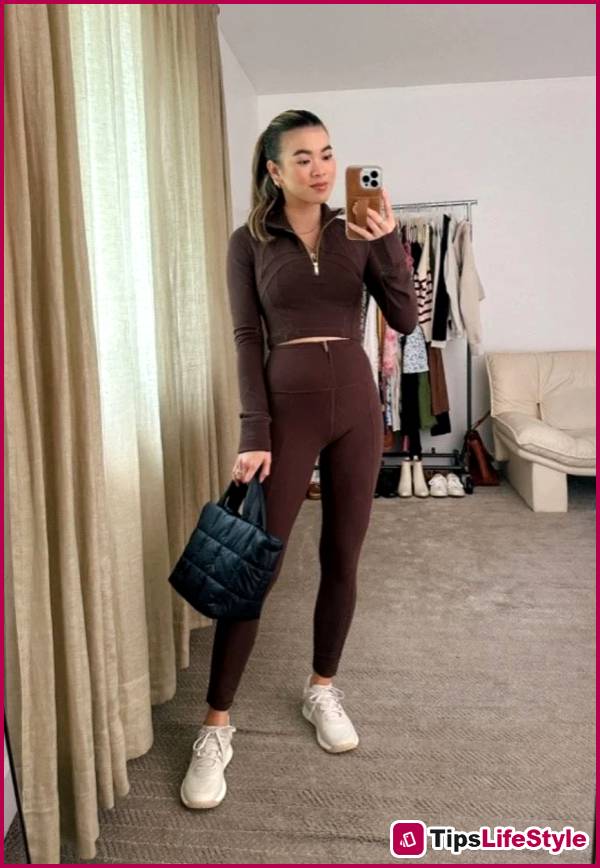
Lululemon is still praised for the quality of its products. However, recently, there have been many complaints from customers about a significant decline in quality with newer batches. Photo: Reddit.
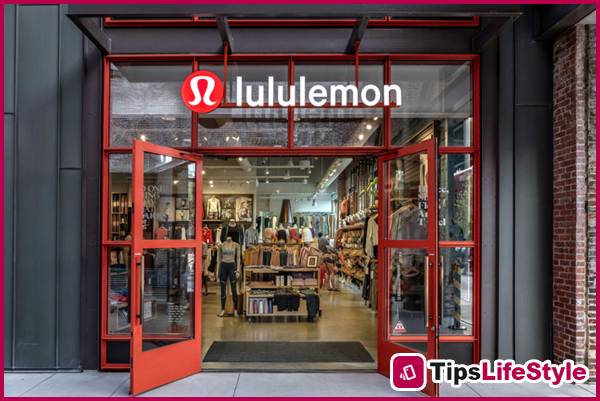
In early 2026, Lululemon also faced a crisis when CEO Calvin McDonald left his position, as well as controversy surrounding the brand's use of a permanent chemical that could cause cancer.
Alo Yoga wins big in terms of image and lifestyle. Their outfits, crop tops, and sweatpants are always praised by Gen Z for looking stunning in photos, having a wide range of sizes, and modern designs. However, the actual quality is a major drawback. Customers constantly complain that the fabric easily pills, fades, and loses its shape after only a few wears or washes. Alo's customer service is even more heavily criticized for 'ghosting' – emails go unanswered for weeks, and support is slow.
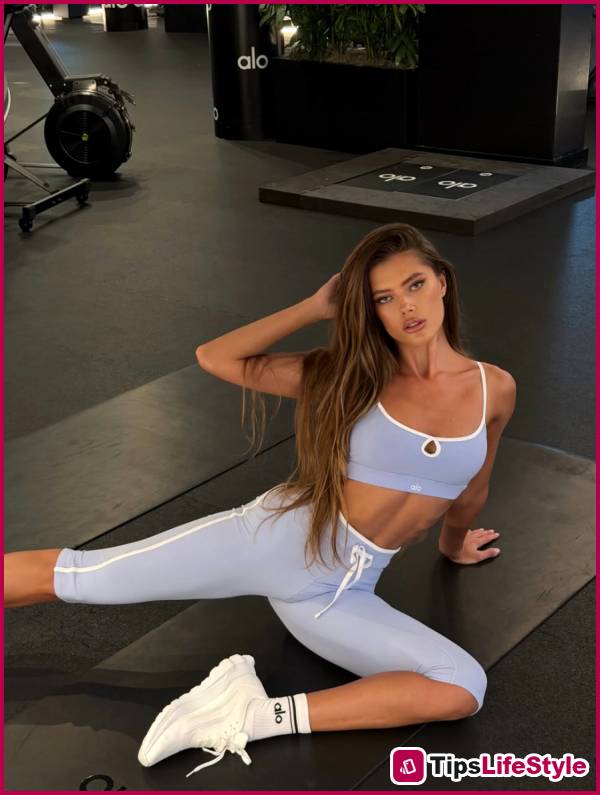
Alo received much praise for its visuals but was heavily criticized for its quality. Photo: Instagram
A prime example that caused a stir in the community is the viral TikTok video by @hibafairy from May 2025, which is still widely shared with over 23,500 likes. She bought an Alo sweat set for $300 (approximately 7.8 million VND) and less than 30 days later, it was heavily pilled and ripped at the crotch. In the more than two-minute video, she couldn't hide her frustration: "Dear Alo, if you want to be like Lululemon, you should at least have the same quality and customer service as Lululemon. How can it be pilled and ripped less than 30 days after I bought it? Why do I have to feel the wind blowing through these $300 pants?" She also detailed having to go to the Alo store herself, being refused service by the manager because the tag had been cut off, and the customer service making her wait 30 minutes on the phone without resolving anything.

The video ends with a powerful plea: "DO NOT BUY @Alo Yoga. @lululemon I know you can treat me better."

Furthermore, in the comments section of several videos comparing these two workout apparel brands, the majority of netizens favored Lululemon due to its quality.
In summary, despite showing clear signs of decline from its peak, Lululemon still excels in overall quality and long-term reliability. Although its quality has somewhat declined, the brand still retains a significant number of loyal customers. Long-time users often try Alo for a while and then return to Lululemon. Lululemon's quality management, while not as outstanding as before, remains stable enough to give them a chance to turn things around if they make timely adjustments.
Conversely, Alo Yoga is winning in terms of visuals and aesthetics, strongly attracting first-time buyers with its beautiful Instagram images. However, the brand is facing a serious crisis of trust regarding both product quality and customer service. If Alo doesn't take decisive and swift action to address issues like pilling, tearing, and customer ghosting, it's highly likely they will follow the path of numerous fashion trends born from social media: rapid explosion followed by equally rapid decline.

Currently, long-time users are still voting for Lululemon using their wallets, while Alo mainly retains new customers and younger customers who prefer the format.
In summary, Lululemon still has the edge if you're looking for a durable product and a smart, long-term investment. Alo Yoga is more suitable for those who prioritize a trendy look and don't mind spending money. For Vietnamese customers, Lululemon remains a safer choice when hunting for sales, while Alo is only purchased if you're truly passionate about the style and willing to accept the risk regarding durability.