What to eat to protect your skin in the sun: 6 food groups that help boost your skin's defenses from within.
A diet rich in antioxidants, vitamins, and healthy fatty acids will contribute to sustainable skin health improvement.
Foods rich in beta-carotene and lycopene
Substances like beta-carotene and lycopene, belonging to the carotenoid group, possess strong antioxidant properties and are commonly found in red, orange, or yellow fruits and vegetables. These nutrients not only help neutralize free radicals but also support skin protection against the effects of UV rays.
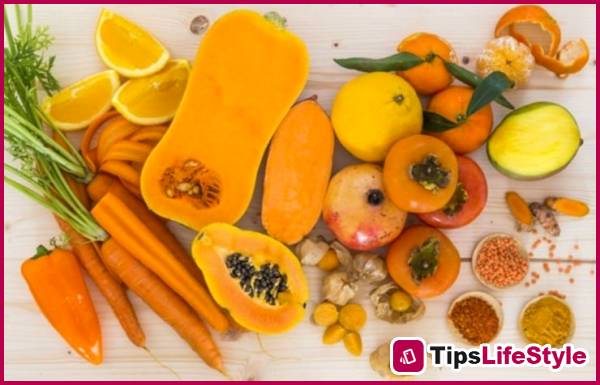 Substances like beta-carotene and lycopene, belonging to the carotenoid group, possess strong antioxidant properties and are commonly found in red, orange, or yellow fruits and vegetables.
In particular, lycopene helps limit the breakdown of collagen, thereby maintaining skin firmness and elasticity. Regularly consuming foods rich in carotenoids helps the skin retain its smoothness and slows down sun-induced aging.
Vitamin C – a crucial element in maintaining skin structure.
Vitamin C is one of the essential nutrients for protecting and restoring skin. Not only does it act as an antioxidant, but vitamin C also participates in collagen synthesis, helping the skin maintain its elasticity and firmness.
Vitamin C is not only found in citrus fruits but also in many other common foods. Supplementing with a variety of these vitamin sources will help boost skin immunity, while also supporting brightening and improving dullness.
Healthy fats help strengthen the skin's protective barrier.
Despite often being viewed with apprehension, healthy fats are essential for maintaining healthy skin. Fatty acids like omega-3, omega-6, and omega-9 help strengthen cell membranes, increase moisture retention, and protect the skin from environmental damage.
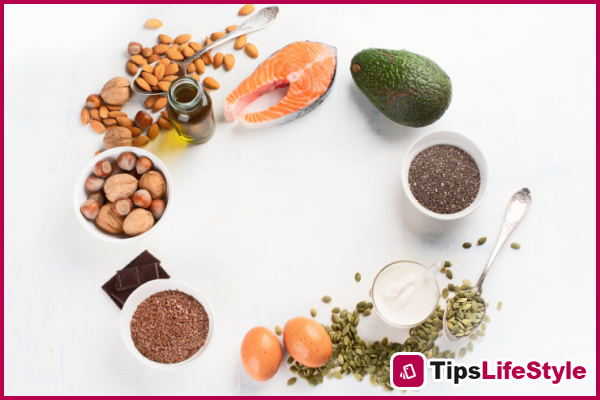 Despite often being viewed with apprehension, healthy fats are essential for maintaining healthy skin.
When adequately nourished, the skin will have better elasticity and be less affected by harmful factors such as UV rays or free radicals. This contributes to maintaining a smooth and firm appearance and reducing dryness.
Polyphenols – a natural antioxidant shield.
Polyphenols are plant-derived antioxidant compounds highly valued for protecting cells from sun damage. When skin is exposed to UV rays, oxidation intensifies, generating harmful free radicals.
The addition of polyphenols helps minimize these effects while also supporting the repair of existing damage. Some notable compounds also have the ability to soothe the skin and reduce the risk of sunburn when used regularly.
Water – an essential element for maintaining healthy skin.
In hot weather, adequate hydration is essential for maintaining skin cell function. Water helps support metabolism, eliminate toxins, and keep the skin naturally moisturized.
When the body is adequately hydrated, the skin will look smoother and more supple, while also reducing the risk of dryness and dehydration caused by high temperatures.
How to maximize the effectiveness of nutrients from food : To maximize the benefits of nutrients, cooking methods and eating habits play a crucial role. Some compounds, such as carotenoids, are better absorbed when food is cooked and combined with a small amount of fat. Conversely, foods rich in vitamin C should be eaten raw or lightly processed to minimize nutrient loss.