After age 40, experts reveal a simple hair washing method that can noticeably thicken hair in just a few months.
Washing your hair with salt water can help cleanse the scalp, reduce dandruff, and promote healthier hair growth. Learn how to do it correctly and what important things to keep in mind.
A turning point stemming from a seemingly simple hair washing habit.
Thin, brittle hair is a common concern, especially after the age of 40. Many people are willing to spend money on high-end shampoos or intensive hair care treatments, but the results are sometimes not as expected.
Meanwhile, a Japanese beauty expert, Shin Watanabe, found a different approach. Having faced the risk of baldness due to genetics, he tried many methods such as lifestyle changes, scalp massage, and using hair growth stimulating products. However, the results were still quite limited.
It wasn't until he turned 40 that he stumbled upon the method of washing his hair with salt water during a health checkup. From personal experience, he noticed his scalp became cleaner after just a few days. After consistently applying it for several months, his hair showed significant improvement, becoming thicker and stronger.
While not a "miracle solution," its simplicity, low cost, and ease of implementation have made this method appealing.
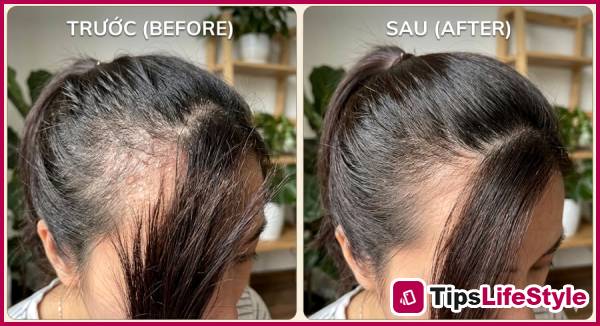 Hair improvement depends on maintaining a proper scalp care routine.
Why can salt water help improve hair?
Salt is not just a familiar seasoning; it also offers several benefits for scalp care if used correctly.
First of all, salt water helps to gently cleanse the scalp. Oily hair often results from the accumulation of excess oil and dead skin cells. When properly cleansed, hair follicles are more open, thereby reducing the risk of weak and brittle hair.
In addition, salt contains minerals such as sodium and chlorine, which help maintain a stable environment for the scalp. When the scalp is healthy, hair follicles are better supported during growth.
Another notable benefit is its ability to regulate sebum production. When oil levels are balanced, hair doesn't become greasy as quickly, while retaining essential moisture. This helps hair look thicker and healthier over time.
Furthermore, thanks to its natural antibacterial properties, salt water also helps reduce dandruff and itching. This is important because a healthy scalp is the foundation for sustainable hair growth.
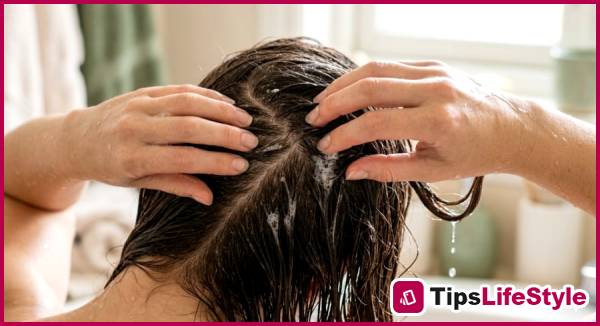 Gentle massage helps cleanse and improve blood circulation under the scalp.
How to wash your hair with salt water correctly and safely.
For best results, the saline solution must be used in the correct ratio and with gentle handling.
You can mix about 1 teaspoon of salt with 500ml of warm water. For oily scalps, you can slightly increase the amount of salt; conversely, for dry scalps, you should reduce it to avoid irritation.
When washing your hair, thoroughly wet it with warm water first. Then, apply a salt solution or sprinkle salt directly onto your damp scalp and gently massage with your fingertips. The massage should be done slowly, moving from the nape of the neck upwards to the crown of the head to stimulate blood circulation.
After massaging for a few minutes, you can leave it on your scalp for about 3-5 minutes before rinsing thoroughly with water. If needed, you can still use a mild shampoo afterward to ensure your hair is completely clean.
It's important not to rub vigorously, as this can damage the scalp and cause more hair loss.
Note to avoid adverse effects.
While it offers some benefits, washing your hair with salt water should not be overused. A reasonable frequency is 1–2 times per week. If used too often, it can dry out the scalp, disrupt the natural oil balance, and weaken the hair.
This method is also unsuitable for people with sensitive scalps, damaged skin, or open wounds. In such cases, salt can cause stinging and worsen the condition.
Additionally, the type of salt used also affects effectiveness. Himalayan pink salt or less refined natural salt is often recommended because it contains more minerals and is less drying than refined salt.
Most importantly, hair care is a long-term process. Besides cleansing the scalp, a balanced diet, sufficient sleep, and stress reduction are essential for lasting results.