Should you choose soap or body wash?
The choice doesn't depend entirely on the product type, but rather on the ingredient list and how the formula is designed.
Traditional bar soap is formed from the saponification reaction between oil, water, and alkali – a basic process that creates this familiar cleaning product. Thanks to its solid structure, soap is usually compact, convenient to use, and easy to carry.
However, many people believe that soap can dry out the skin. This is because the pH of soap is often higher than the natural pH of the skin, which is slightly acidic. Nevertheless, modern formulas have been significantly improved, making soaps gentler and reducing moisture loss.
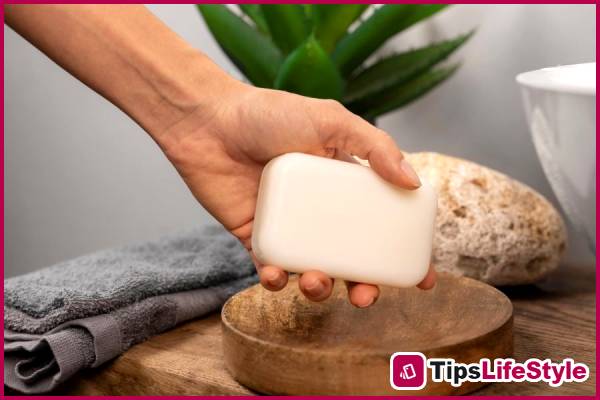 Thanks to its dense structure, soap is usually compact, convenient to use, and easy to carry.
Meanwhile, liquid body washes typically have a water base combined with gentle, synthetic cleansing agents. Thanks to this texture, the product lathers easily, feels soft during use, and is less likely to dry out the skin. Additionally, body washes often contain added moisturizing ingredients, helping to maintain smoothness after cleansing.
Should you choose soap or body wash?
The choice doesn't depend solely on the product type, but rather on the ingredient list and how the formula is designed. A product that is properly formulated for your skin will be more effective, whether it's soap or body wash.
For dry or sensitive skin, products that moisturize and gently cleanse are usually the top priority. Meanwhile, oily or less sensitive skin can be more flexible in their choices. It's important to observe your skin's reaction after use to adjust accordingly.
How to choose cleansing products according to your skin's needs.
To optimize skincare effectiveness, understanding your skin condition and choosing the right ingredients is crucial. A 'correct' formula not only cleanses but also supports long-term nourishment and protection of the skin.
 To optimize skincare effectiveness, understanding your skin condition and choosing the right ingredients is key.
Moisturizes and strengthens the skin barrier.
Ingredients like hyaluronic acid, glycerin, ceramides, and shea butter help retain moisture and support the restoration of the skin's natural protective barrier. Additionally, jojoba oil or coconut oil contribute to a soft, supple feel after showering.
Supports gentle exfoliation.
Active ingredients like lactic acid or salicylic acid gently remove dead skin cells and cleanse pores without damaging the skin's surface if used at the right frequency. Conversely, physical exfoliation methods need to be controlled to avoid irritation.
Acne-prone skin
For acne-prone body skin, deep-cleansing ingredients like salicylic acid can help control excess oil and keep pores clear. Choosing the right active ingredient will lead to a more noticeable improvement in skin condition.
Sensitive skin needs to prioritize gentle products.
Soothing ingredients like aloe vera, colloidal oatmeal, or niacinamide help reduce irritation and strengthen the skin's protective barrier. At the same time, harsh cleansers or strong fragrances should be avoided to prevent disrupting the skin's natural balance.