Don't choose sunglasses based on impulse: Important principles for properly protecting your eyes.
Sunglasses are not simply an accessory to complete a style; they also act as a 'shield' protecting the eyes from the effects of ultraviolet rays.
How to choose the right sunglasses
Many people judge the quality of sunglasses by their price or lens color, but these are not the only factors determining eye protection. Sunglasses labeled '100% UV protection' or meeting UV-400 standards are more reliable than expensive models that offer no UV filtering.
Darker lens colors don't necessarily mean better sun protection. The key is the ability to block UV rays, not the darkness of the lenses. When choosing, prioritize designs that provide good coverage around the eyes and surrounding areas to minimize light penetration from various angles.
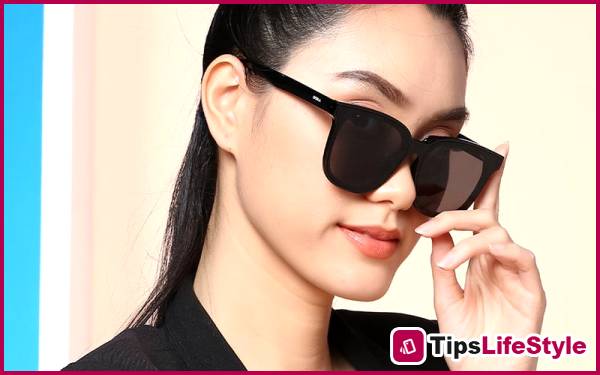 Sunglasses labeled '100% UV protection' or meeting the UV-400 standard are more reliable than expensive models that offer no UV filtering capabilities.
In addition, the quality of the lenses also needs to be carefully checked. A simple way is to look at a straight line, such as the edge of a table or a ruler, while wearing the glasses. If the image is distorted or warped, it indicates that the lenses are substandard. Similarly, if vision is blurry or unclear, the product is not suitable for long-term use.
Is it necessary to wear sunglasses while driving?
When driving, sunglasses help reduce glare and minimize eye strain from sunlight, thereby helping drivers see better. However, choosing sunglasses that suit your vision is very important.
For those without refractive errors, regular sunglasses are sufficient. Conversely, if you have nearsightedness, farsightedness, or astigmatism, you should have your eyesight checked and choose appropriate glasses at a professional facility to ensure safety while driving.
One notable feature is that polarized sunglasses can improve vision in rainy conditions or when there is strong light reflection. These glasses are equipped with a filter that eliminates reflected light from surfaces such as roads, water, or car windows, resulting in clearer and more comfortable vision.
Should you wear sunglasses when it's not sunny?
Many people believe that sunglasses are only necessary on sunny days, but this isn't entirely accurate. UV rays are still present even on cloudy or overcast days. In fact, the amount of UV radiation on cloudy days can be significantly higher than on sunny days, enough to harm the eyes if exposed for extended periods.
In addition, light reflected from surfaces such as water, sand, roads, or light-colored materials can also cause glare. Using sunglasses in these situations helps reduce reflected light, improve vision, and create a more comfortable feeling when moving outdoors.
Sunglasses, therefore, should not be considered merely a fashion accessory. When chosen correctly and used appropriately, they can be an important tool for protecting eyesight, minimizing the risk of eye damage, and maintaining long-term visual health.