Skin peeling: Fast results, but not suitable for everyone.
Skin peels are divided into different levels depending on the degree of impact.
Chemical peels are a process that uses chemical agents to remove dead skin cells from the surface while promoting skin regeneration. In reality, the skin naturally sheds, but peels shorten this cycle, resulting in smoother and fresher skin more quickly. The noticeable results in a short time have made this method increasingly popular, especially for those seeking to improve acne, dark spots, and pigmentation.
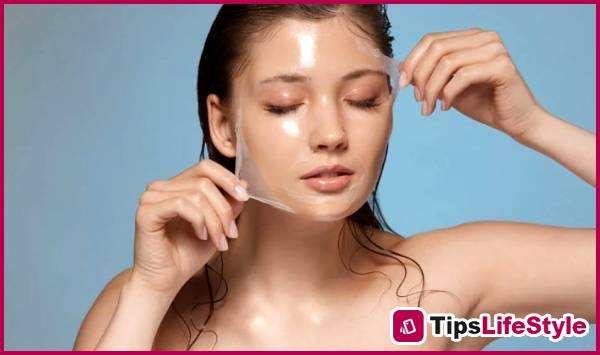 In fact, the skin always has a natural exfoliation mechanism, but peels help shorten this cycle, thereby bringing about smoother and fresher skin faster.
Not all skin types are suitable for chemical peels.
Despite its many benefits, chemical peels are not for everyone. This method is more suitable for skin conditions such as keratosis pilaris, roughness, hidden acne, inflammatory acne, or hyperpigmentation. However, the prerequisite is that the skin must be healthy, free from inflammation and irritation, and have a stable skin barrier. If the skin is already weak and a peel is performed, the risk of damage will increase, and the recovery time will be longer.
Sensation during a peel: normal or a warning sign?
During a chemical peel, a tingling or burning sensation is a common reaction. The intensity will depend on the type of peel and the concentration of the active ingredients. However, this is not a method to be used arbitrarily. If done incorrectly, peels can weaken the skin's protective barrier, disrupt the microbiome balance, and make the skin more prone to irritation. Even mild at-home peels, if overused, can lead to prolonged skin sensitivity.
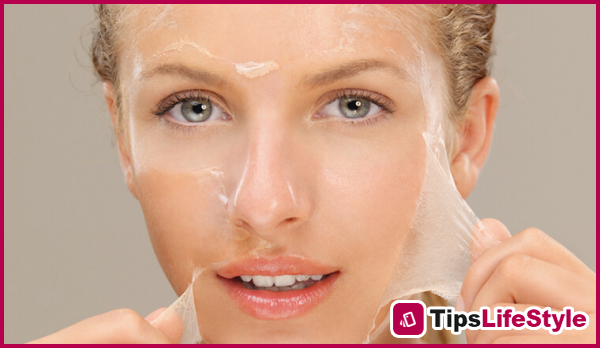 During the peeling process, a tingling or slightly burning sensation is a common reaction. The intensity will depend on the type of peel and the concentration of the active ingredient.
Types of peels: from mild to intensive
Skin peels are divided into different levels depending on their intensity. Mild peels only affect the epidermis and are the most common and safest type. Medium peels are usually applied in cases requiring stronger regeneration, such as scarred skin or uneven skin tone. Meanwhile, deep peels affect the dermis with strong active ingredients, carry more risks, and must be performed by experienced professionals. This method is also not recommended for widespread use.
The post-peel phase determines the outcome.
After a chemical peel, the skin often appears dry, slightly dehydrated, and peels for a few days. This is a normal reaction to the regeneration process. However, this phase plays a crucial role in determining the final result. If not properly cared for, the skin is very susceptible to prolonged irritation or hyperpigmentation.
Principles of skincare after a chemical peel.
For optimal skin recovery, focus on moisturizing and protection. Adequate hydration strengthens the skin barrier, while thorough sun protection minimizes the risk of post-peel darkening. Simultaneously, discontinue strong treatment products until the skin is completely stable. This stage requires patience; avoid excessive intervention that could overload the skin.
Common mistakes to avoid
Many post-peel problems stem from fundamental mistakes. Self-treating based on trends without understanding your skin condition is a common cause. Additionally, improper post-peel care, skipping sun protection, or using strong active ingredients too soon can weaken the skin and make it more vulnerable to damage.
Understanding the right methods for safe beauty treatments.
Skin peeling is not a method of delivering nutrients, but rather plays a supporting role in skin regeneration and increasing absorption capacity. Therefore, to achieve long-lasting results, it needs to be combined with a suitable and consistent skincare routine. Healthy skin doesn't come from harsh treatments, but from understanding and properly caring for it at each stage.