Summer hair washing: Beware of 2 methods that can easily make your hair greasy and your scalp 'suffocate'
Rising temperatures cause the scalp to produce more oil, leading to greasy hair and problems such as itching, dandruff, and hair loss.
Washing your hair too many times a day
During hot weather, the feeling of greasy hair leads many people to wash their hair frequently, sometimes even 2-3 times a day. However, this habit can disrupt the natural oil layer that protects the scalp. When this layer is lost, the sebaceous glands will work harder to compensate, resulting in hair becoming greasy even faster after washing.
Furthermore, excessive use of shampoo can dry out the scalp, disrupt its moisture balance, and make it more sensitive. In the long run, hair can become weak, prone to breakage, and lifeless. The appropriate shampooing frequency should be adjusted according to hair condition, usually ranging from every 2-3 days, or more flexible on days with increased physical activity.
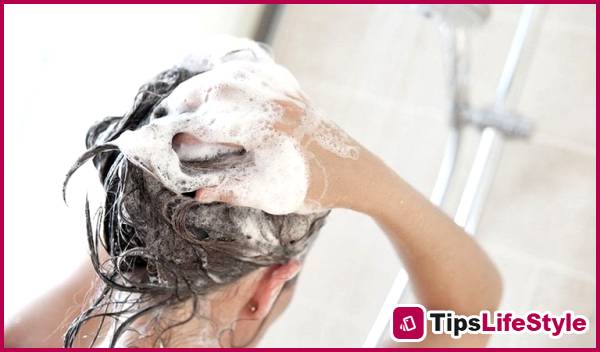 Furthermore, excessive use of shampoo can dry out the scalp, disrupt its moisture balance, and make it more sensitive.
Washing your hair but not thoroughly cleaning your scalp.
Another fairly common mistake is focusing only on cleaning the hair shaft while neglecting the scalp. Applying shampoo superficially or not massaging long enough allows dirt and excess oil to accumulate, creating a breeding ground for bacteria.
Furthermore, insufficient rinsing can leave product residue on the hair and scalp, causing a heavy, greasy feeling and even irritation. For effective cleansing, gently massage the scalp for 1-2 minutes, then rinse thoroughly with clean water to ensure no chemical residue remains.
Pay attention to the water temperature when washing your hair.
Many people have a habit of using hot water to wash their hair because it feels pleasant, but high temperatures can strip the hair and scalp of their natural moisture. This makes hair dry, brittle, prone to split ends, and causes scalp irritation.
Slightly warm or cool water is considered a more suitable option, helping to clean effectively while maintaining the necessary balance for the scalp. This is a small factor, but it significantly affects the long-term quality of your hair.
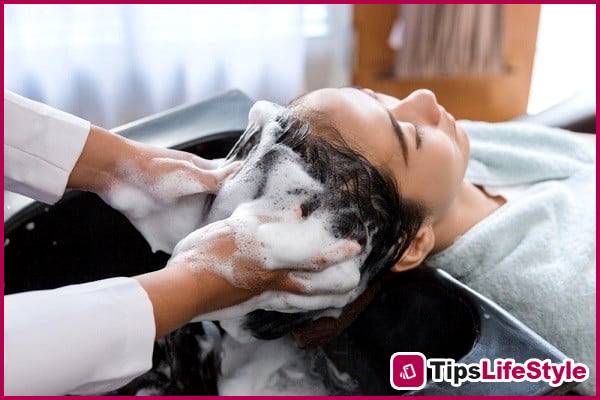 Many people have a habit of using hot water to wash their hair because it feels pleasant, but high temperatures can strip the hair and scalp of their natural moisture.
Pay attention to how you wash and dry your hair.
After washing your hair, rubbing it too vigorously with a towel can damage the hair strands due to friction. Instead, use a soft towel to gently pat dry to minimize breakage. When using a hairdryer, maintain a safe distance and avoid excessively high temperatures to protect the hair structure.