Effectively reduce hidden acne: build a proper skincare routine starting from the basics.
To improve this condition, it's necessary to focus on a scientific skincare routine that combines cleansing, regeneration, and maintaining a healthy lifestyle.
Proper skin cleansing – a fundamental step in reducing hidden acne.
The most common cause of hidden acne is clogged pores due to excess oil, dirt, and makeup residue. Therefore, cleansing the skin is the most important step in improving this condition.
Choosing a gentle cleanser that is alcohol-free or contains no irritating ingredients will help remove impurities while preserving the skin's natural protective barrier. In addition, thorough makeup removal is essential every day, especially when using sunscreen or makeup.
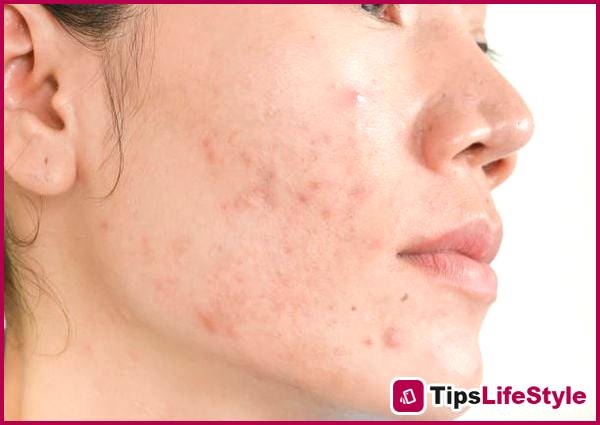 Common causes of cystic acne often stem from pores becoming clogged with excess oil, dirt, and makeup residue.
In addition to basic cleansing, you can supplement with products containing ingredients like salicylic acid or tea tree oil to help reduce inflammation, deeply cleanse, and minimize the risk of new acne formation.
Exfoliate regularly to keep pores clear.
The accumulation of dead skin cells over time is one of the factors that makes skin rough and prone to acne. Therefore, regular exfoliation plays an important role in maintaining smooth skin.
Active ingredients like AHA and BHA can exfoliate dead skin cells, support skin regeneration, and unclog pores. However, it's important to choose products with gentle formulas suitable for your skin type to avoid irritation, especially for sensitive skin.
A reasonable frequency is usually 1–2 times per week, which is sufficient to maintain effectiveness without damaging the skin.
Incorporate retinoids into your skincare routine appropriately.
In the treatment of subcutaneous acne, retinoids are considered a highly effective active ingredient. This component helps promote cell regeneration, reduce clogged pores, and improve skin texture.
However, retinoids need to be used according to a proper regimen. It's best to start with a low concentration to allow the skin to adapt, then gradually increase it if necessary. Also, because this active ingredient can make the skin more sensitive to sunlight, daily use of sunscreen is essential to protect the skin.
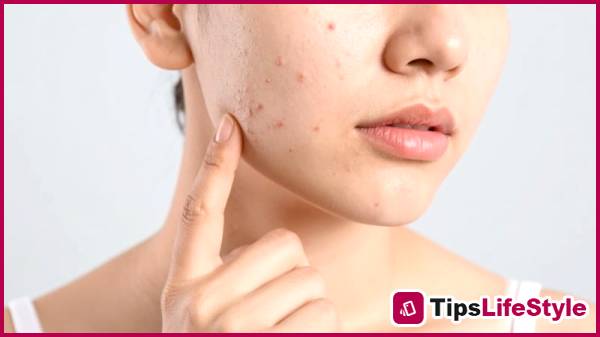 Retinoids are considered highly effective active ingredients. This component helps promote cell regeneration and reduce clogged pores.
Diet directly affects skin condition.
Besides external care, nutrition also plays a crucial role in improving hidden acne. Foods rich in antioxidants such as green vegetables, fruits, and nuts help protect the skin from environmental damage.
Conversely, consuming too much sugar, dairy, or fried foods can increase sebum production, thereby worsening clogged pores. In addition, drinking enough water daily helps maintain skin hydration and supports skin metabolism.
Proactively seek medical attention if the condition does not improve. If basic skincare methods have been applied but the hidden acne persists, consulting a specialist is necessary. More intensive treatments such as chemical peels or light therapy may be considered depending on the specific condition.
A medical examination not only helps identify the correct cause but also prevents incorrect self-treatment, which can make the skin even more sensitive.
Persistence is the key to long-term effectiveness.
Subcutaneous acne cannot be improved in a short time; it requires persistence and a consistent skincare routine. With proper care, the skin will gradually become clearer, smoother, and healthier over time.
Instead of seeking quick fixes, building a scientifically-based skincare routine is the key to sustainably controlling hidden acne.